PERSONALITY PROFILES
Discover More About Yourself.
Before Understanding Others. Building Confidence Together!
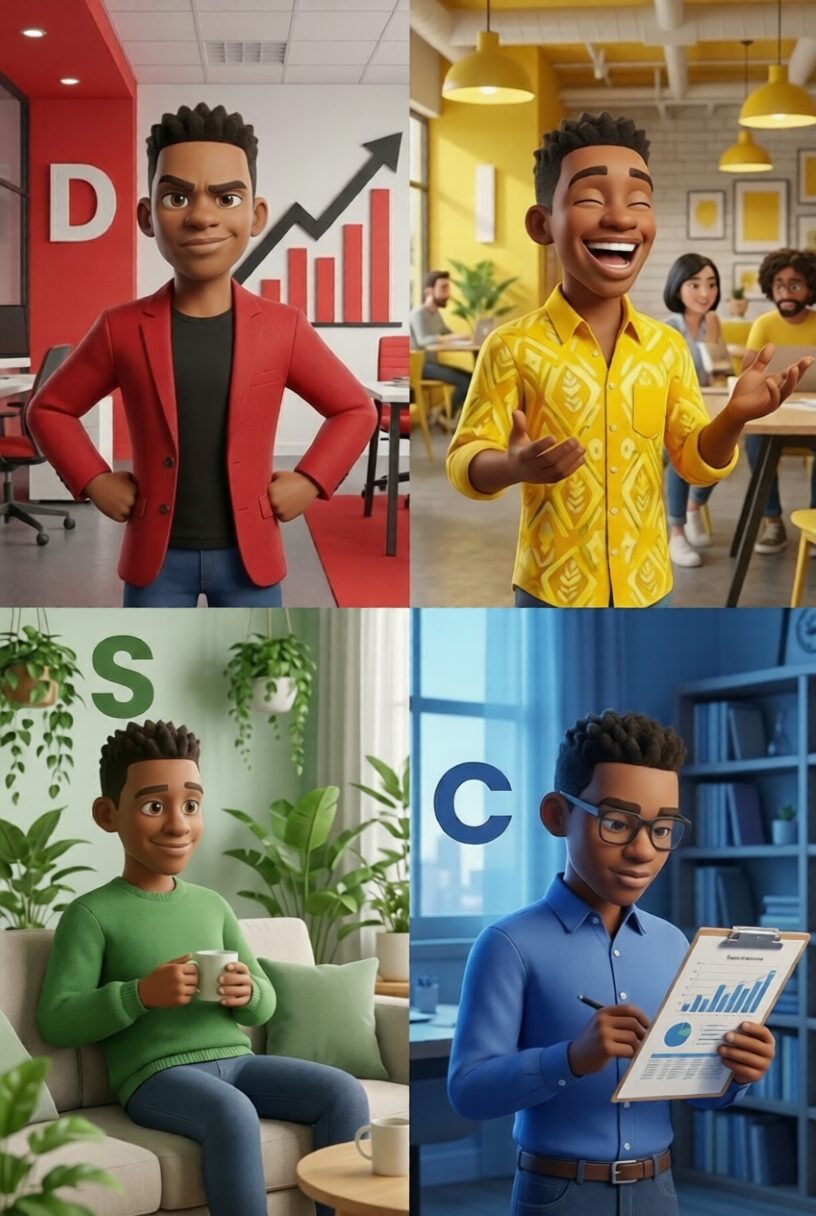
DISC focuses on four behavioural traits:
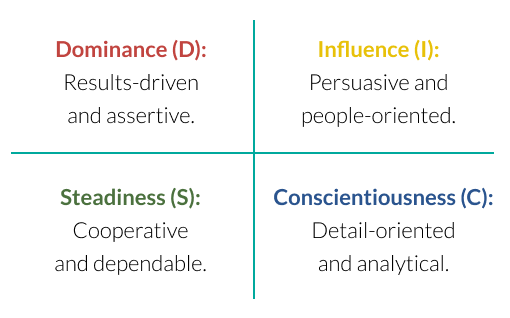
Benefits:
- Conflict Resolution: DISC helps identify potential conflicts by understanding how individuals respond to challenges. For instance, a “D” personality might clash with an “S” if expectations aren’t aligned.
- Sales and Leadership Development: It’s widely used across sales and development teams to adapt their approach to different customer personalities.
- Increased Productivity: Understanding DISC profiles of others aids in assigning tasks that align with individuals’ natural tendencies, boosting effectiveness.
MBTI
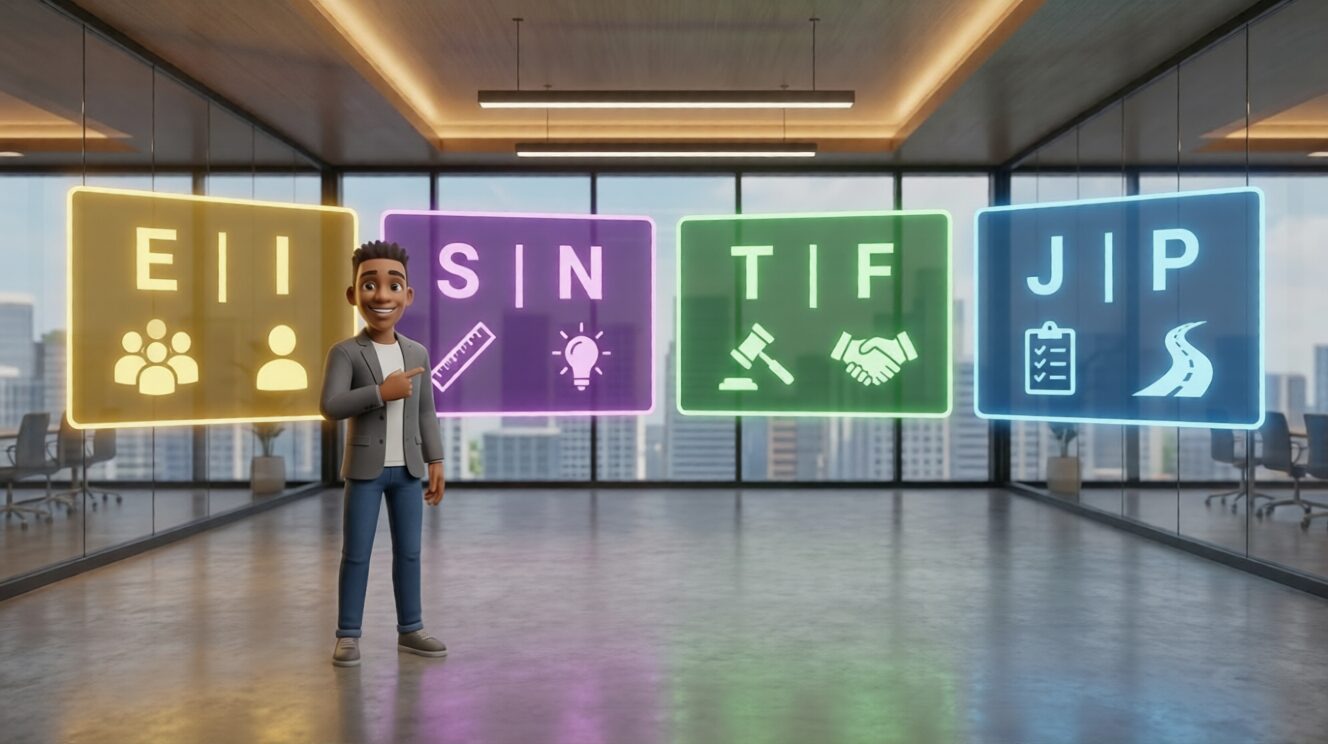
The MBTI categorizes individuals into 16 personality types based on preferences in four dichotomies:
Dichotomies
Extraversion (E) vs. Introversion (I)
Sensing (S) vs. Intuition (N)
Thinking (T) vs. Feeling (F)
Judging (J) vs. Perceiving (P)
Benefits
- Improved Communication: Understanding team members’ preferences fosters better collaboration by tailoring communication styles. For example, introverts may prefer written updates, while extroverts thrive in group discussions.
- Enhanced Team Dynamics: MBTI helps leaders build balanced teams by identifying complementary strengths.
- Personalized Development: By recognizing individual preferences, managers can assign roles that align with employees’ strengths, improving productivity and job satisfaction.
OCEAN
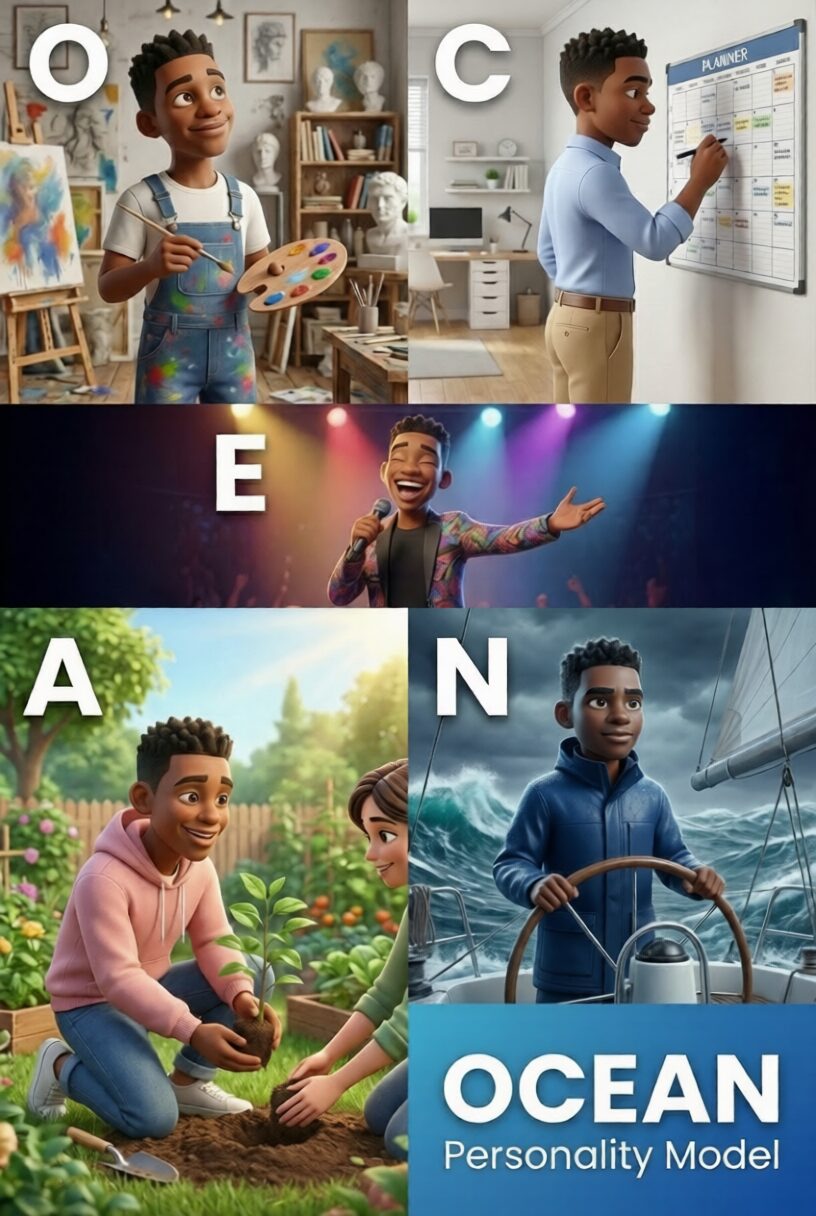
This model assesses individuals across five dimensions:
- Openness: Creativity and adaptability.
- Conscientiousness: Organisation and dependability.
- Extraversion: Social energy and enthusiasm.
- Agreeableness: Cooperation and empathy.
- Neuroticism: Emotional stability.
Benefits:
- Recruitment and Selection: Helps organisations assess if candidates are fit for specific roles, ensuring alignment with job demands and culture.
- Leadership Insights: By understanding an individual’s traits, leaders can tailor their approach to motivate and engage employees.
- Long-Term Team Building: Insights into these stable traits allow for better long-term planning, aligning personalities with organizational goals.

